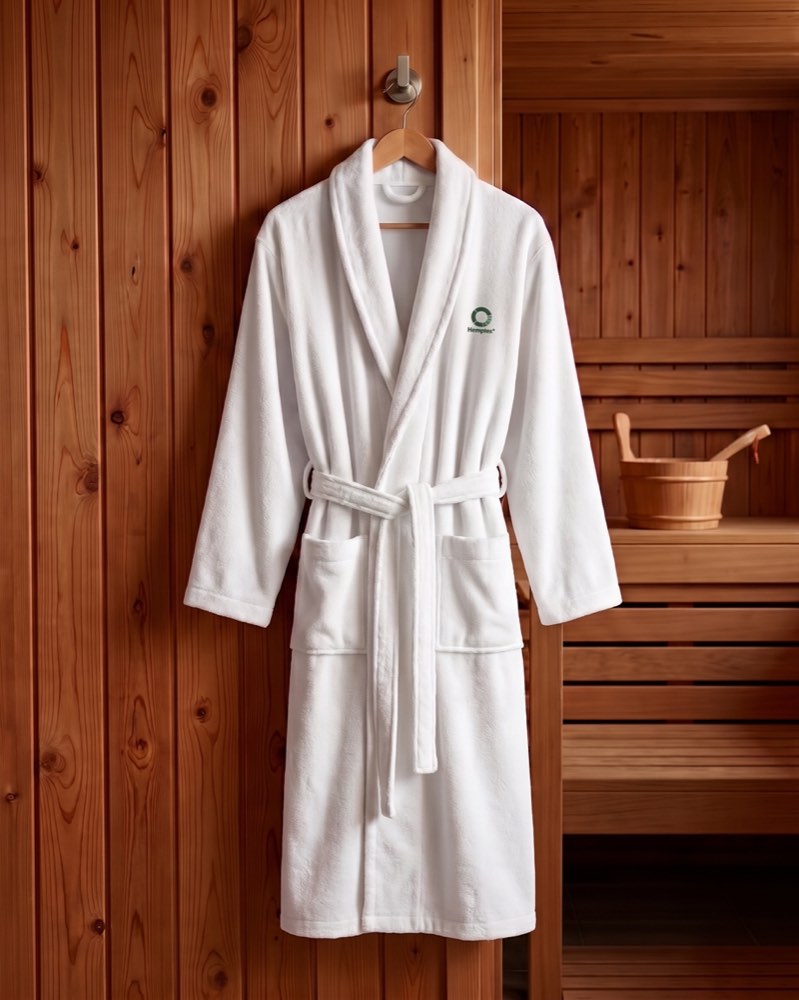
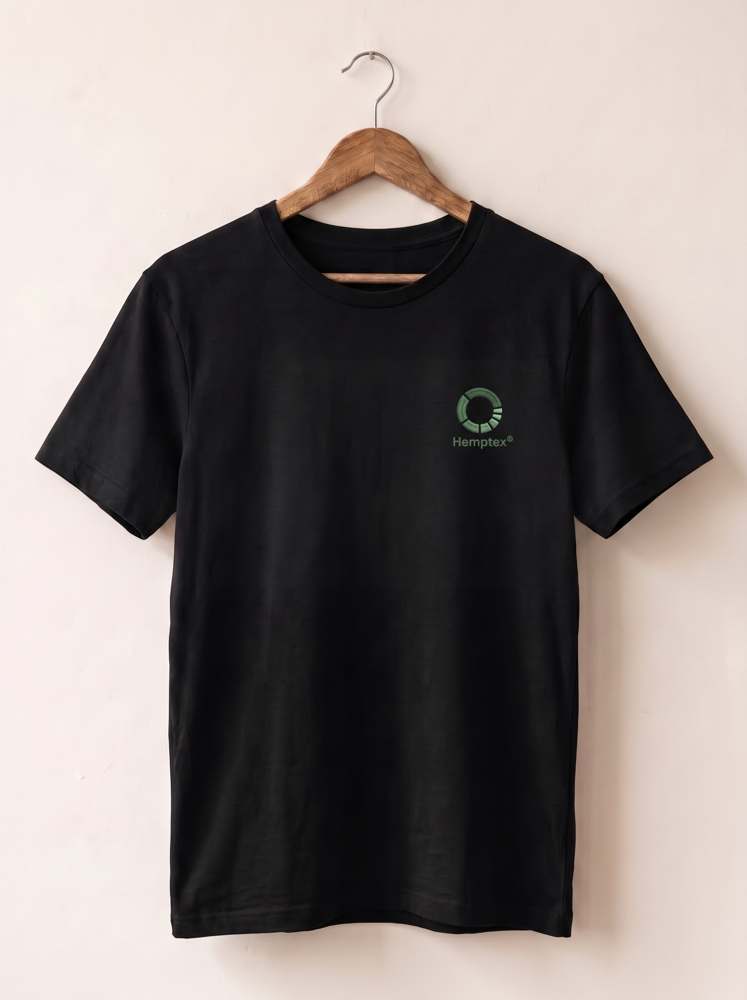
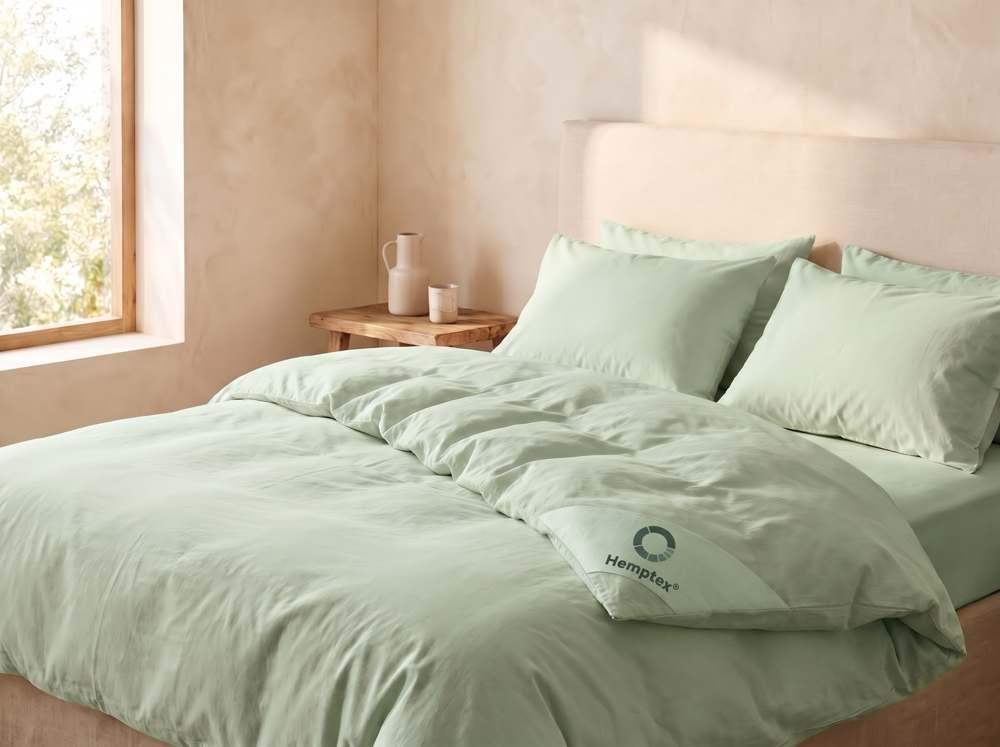
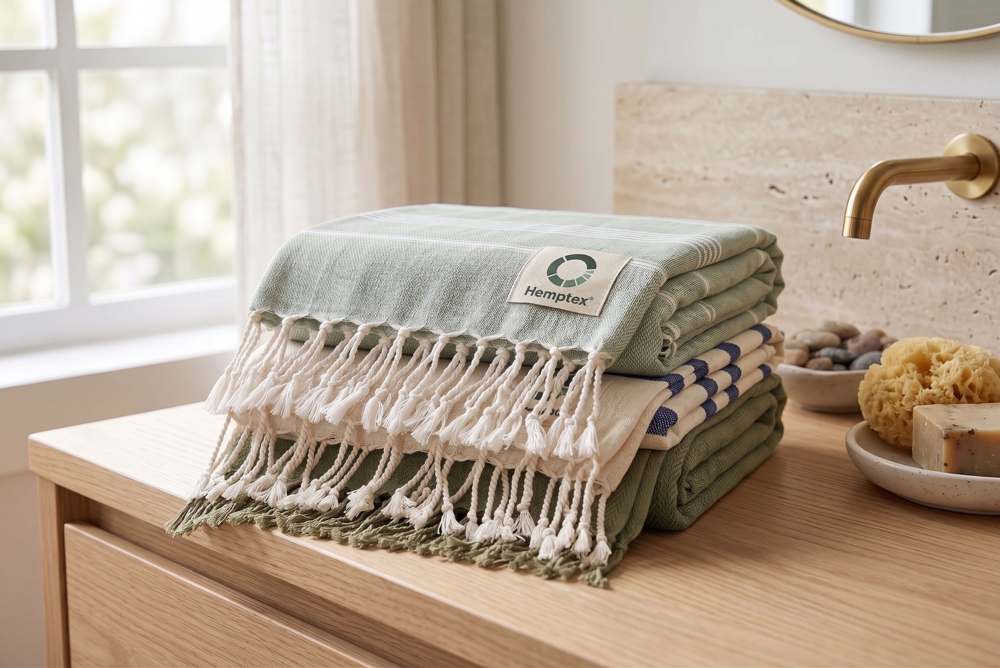
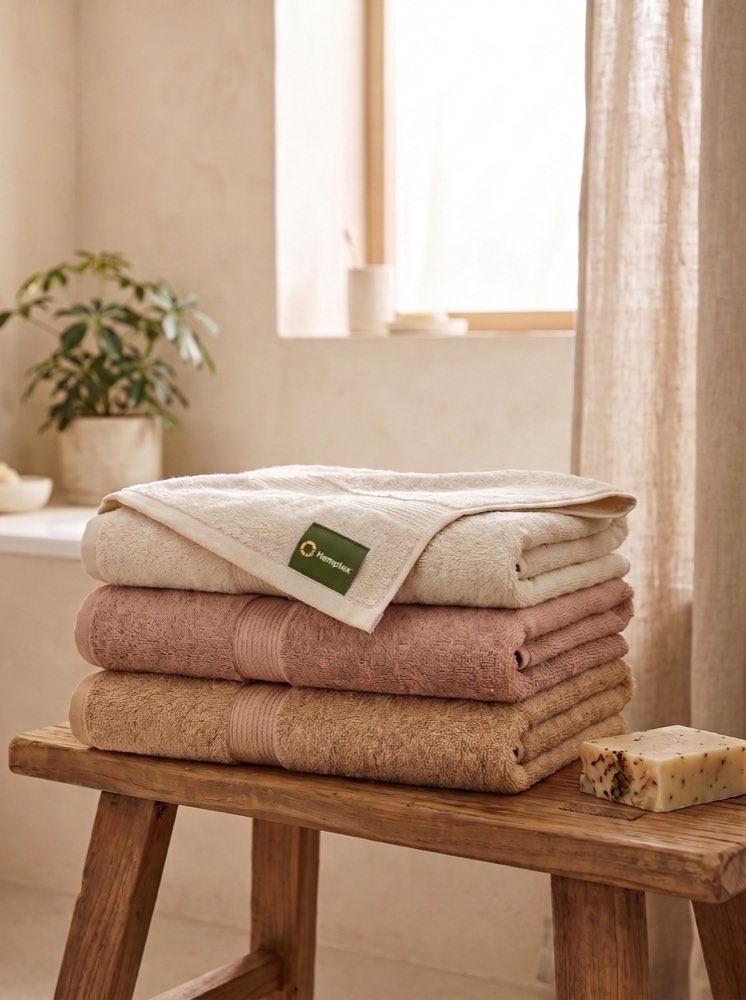
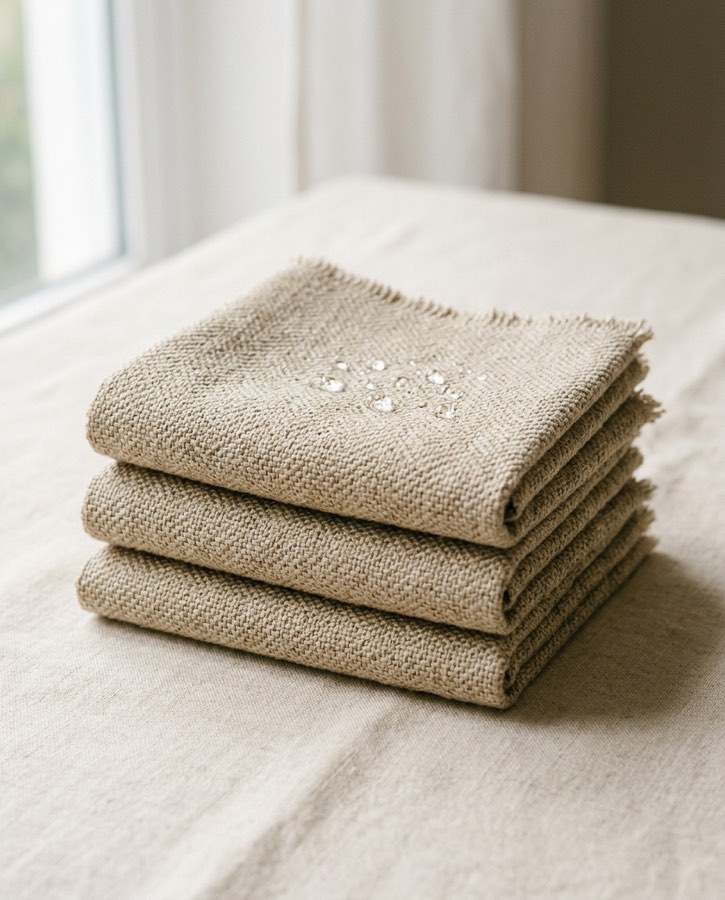
Hemp, against cotton and polyester.
The numbers we can stand behind. And the ones we won't repeat.
Three metres in a hundred days. On rain.
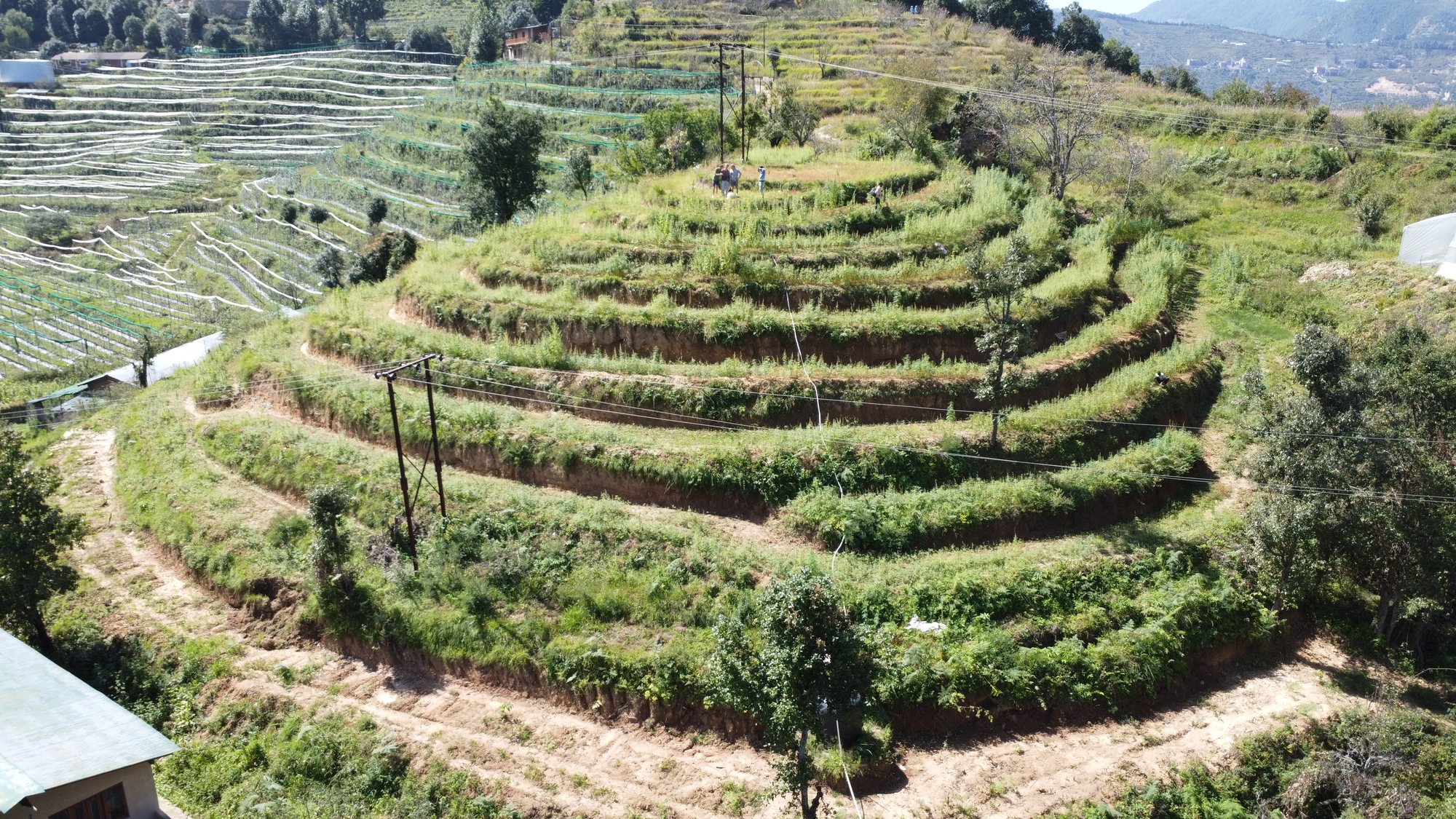
Hemp is Cannabis sativa L., grown for its stalk. It shoots up fast, shades out weeds, and asks for little: rain, sun and a field. No pesticides are needed, and none are sprayed on ours.
Our role is to connect the dots, thoughtfully. From a terrace in Uttarakhand to a flag, a towel, a sheet. This page is what that plant does differently, set against the two fibres it replaces.
Hemp. Cotton. Polyester.
Same job, three fibres. Every figure below has a source you can check at the bottom.
| Hemp | Cotton | Polyester | |
|---|---|---|---|
| Made from | A plant. Stalk fibre, grown in a season. | A plant. The seed hair, thirsty and heavily sprayed. | Crude oil. A plastic, spun into thread. |
| Water to grow a kilo of fibre | About 2,700 litres, mostly rain. | About 9,100 litres, much of it irrigated. | Little water. Oil, energy and chemistry instead. |
| Pesticides | None needed. None on ours. | Around 4.7% of the world's pesticide sales, on 2.4% of its farmland. | None. It isn't farmed. |
| Moisture it holds, by standard | 12.0% | 8.5% | 1.5% |
| Microplastics in the wash | None. A plant fibre breaks down. | None. | Sheds fibres every wash. Textiles are the largest source of primary microplastics in the sea. |
| Carbon | About 1.3 kg CO₂ held in every kilo of fibre, for as long as the cloth lasts. | Held in the fibre too, at a higher cost to grow. | Fossil carbon, taken out of the ground to make it. |
| End of life | Back to the soil. | Back to the soil, if it wasn't blended with plastic. | Landfill or incinerator. It does not rot. |
Water: Mekonnen & Hoekstra 2011, fibre stage. Pesticides: PAN UK 2018. Moisture: standard allowances, Regulation (EU) 1007/2011 Annex IX. Microplastics: IUCN 2017, Primary microplastics in the oceans. Carbon: held in the fibre while the cloth lasts, not removed from the air.
Every step, on purpose.
This is the chain behind our flags. Our other products follow the same road where they can. For different or higher quantities we work with more facilities around the world.
Grown
Uttarakhand, India. Farmers who grow hemp as a polycrop on their terraces, as their families always have. Rain-fed, unsprayed.
Spun and woven
Fibre becomes yarn, yarn becomes cloth. Flag cloth in India, bedding in Portugal, always with people we have met.
Printed
In the Netherlands, on a printer built to use as little water as possible and no toxic dyes. The colour holds.
Stitched
European ateliers cut, hem, stitch and check every piece. Quality stitching, built for wind.
Flown
Packed in a compostable bag made from plants, and off it goes. Flown for years, not a season.
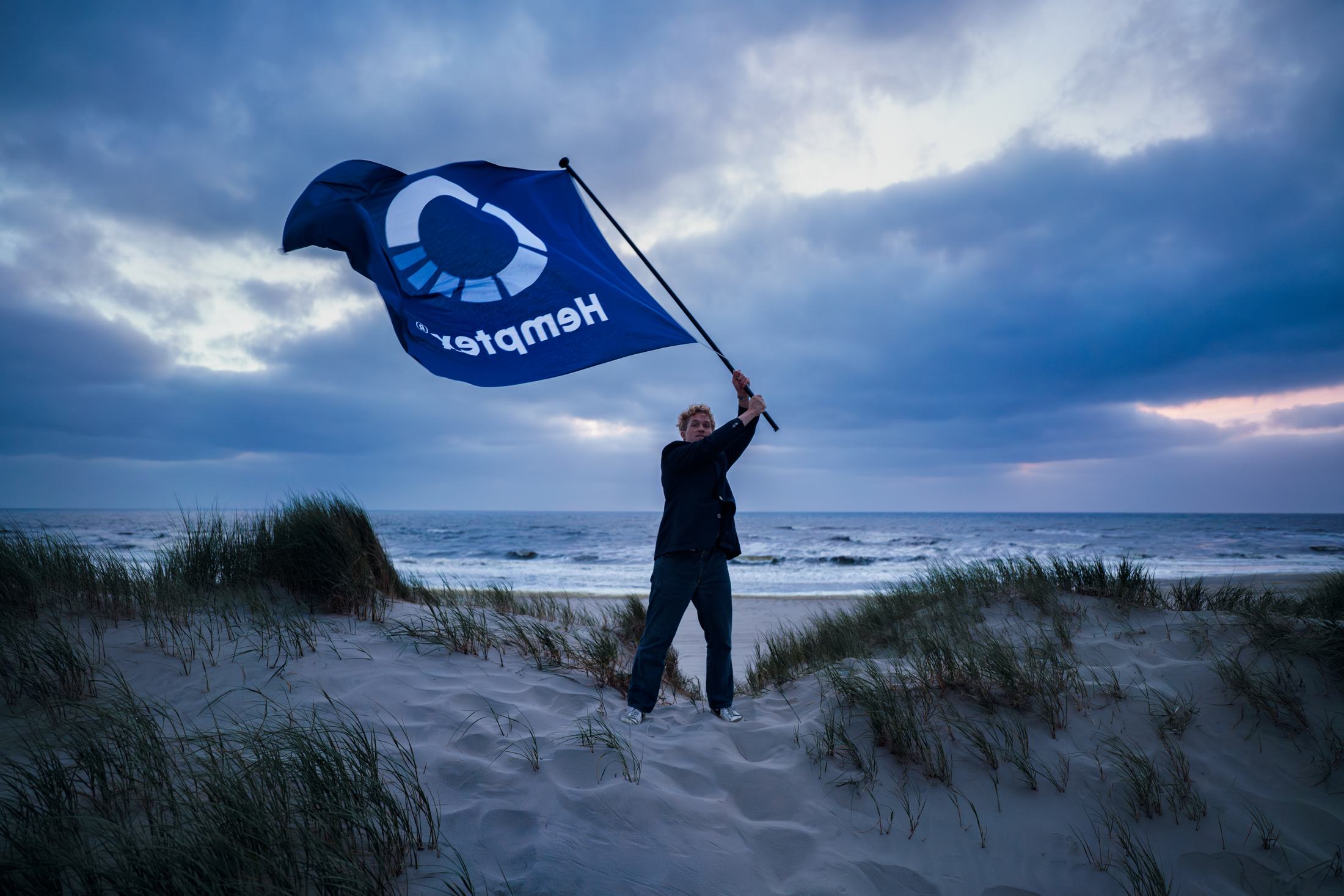
Your average flag is made of oil.
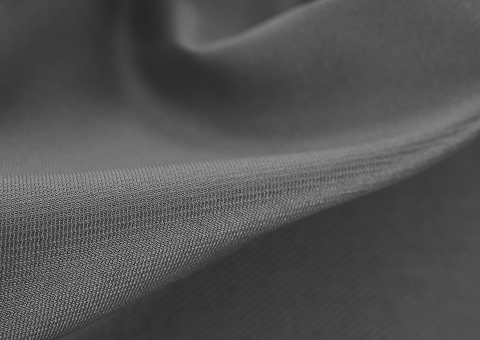
Polyester flags
- Made from crude oil and synthetic chemistry.
- Shed microplastics into rivers and seas.
- Built to last in a landfill, not in nature.
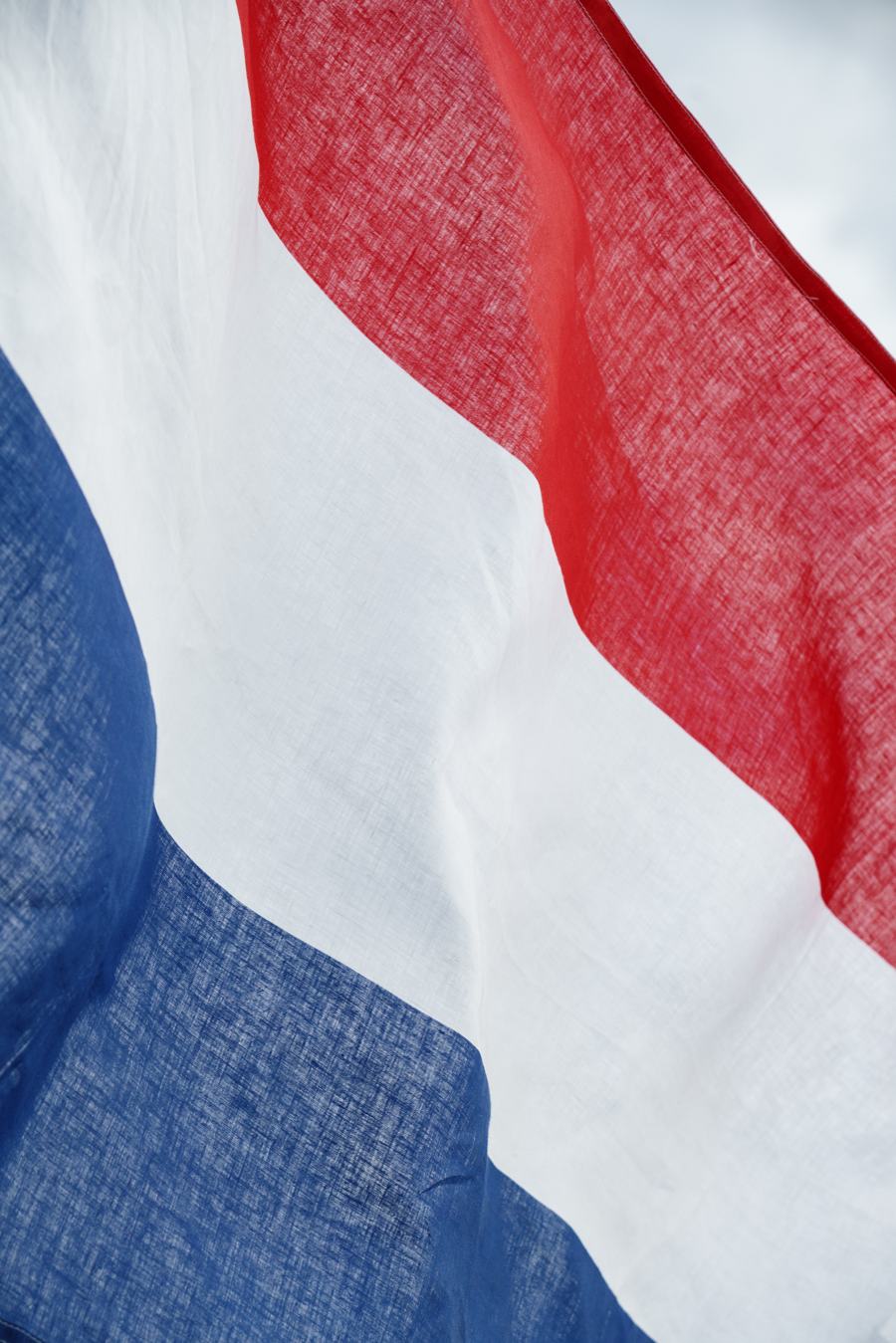
Hemptex® flags
- Made from a plant that grows on rain.
- No microplastics. Ever.
- Weatherproof and colourfast, then back to the soil.
1% for the Planet. 100% for change.
We are members of 1% for the Planet. A share of every sale goes to environmental causes, so the good we do doesn't stop at the cloth.
More about hemp textile
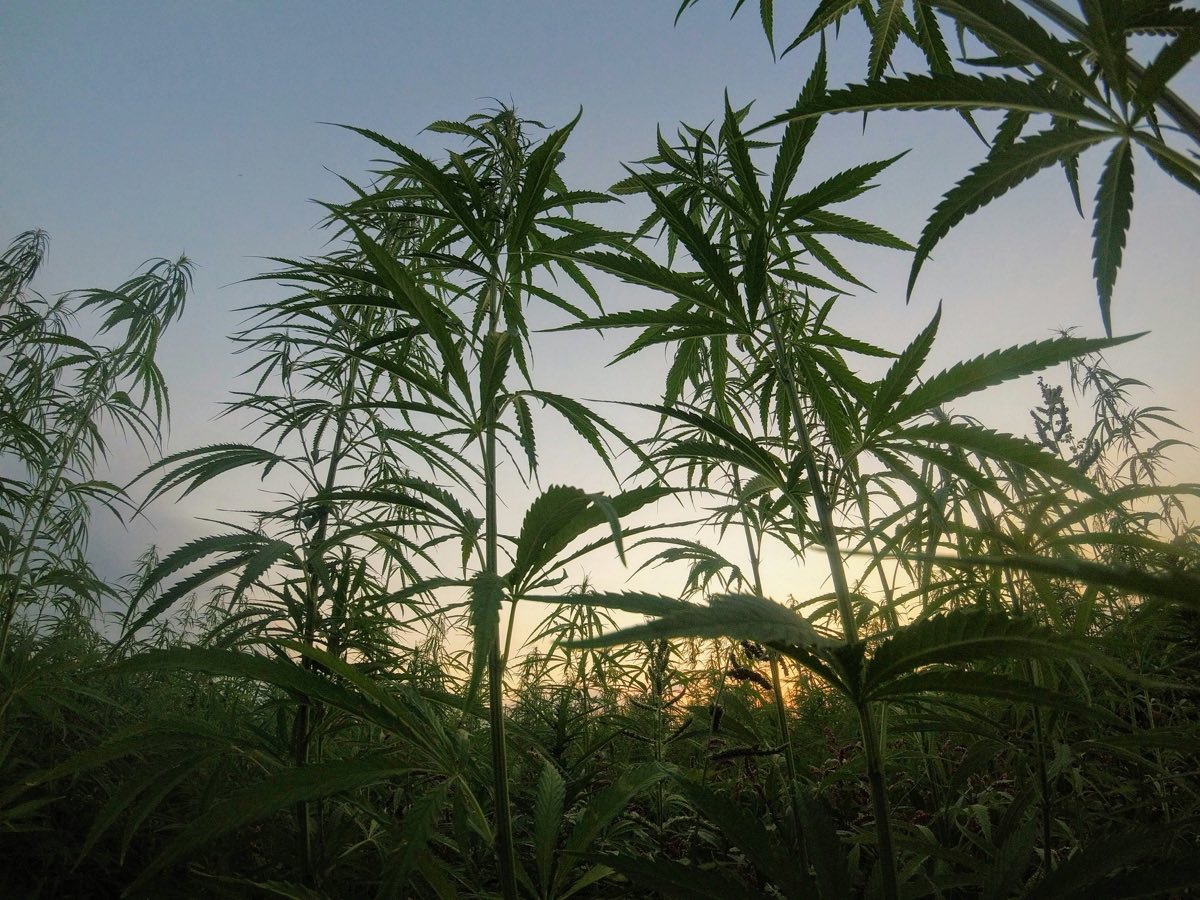 Why hemp?Three metres in a hundred days, on rain, with nothing sprayed on it.
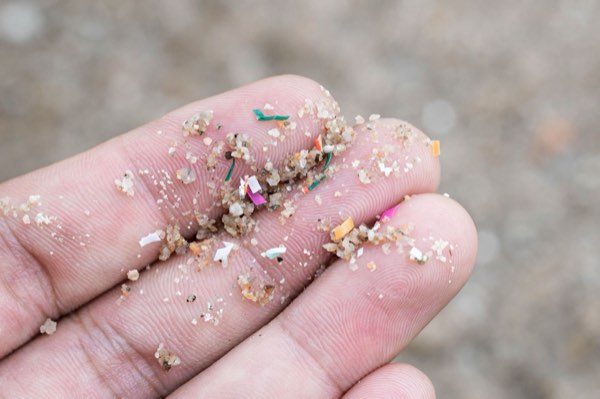 What are microplastics, and why should you care?Every synthetic wash sheds plastic. Here is where it ends up.
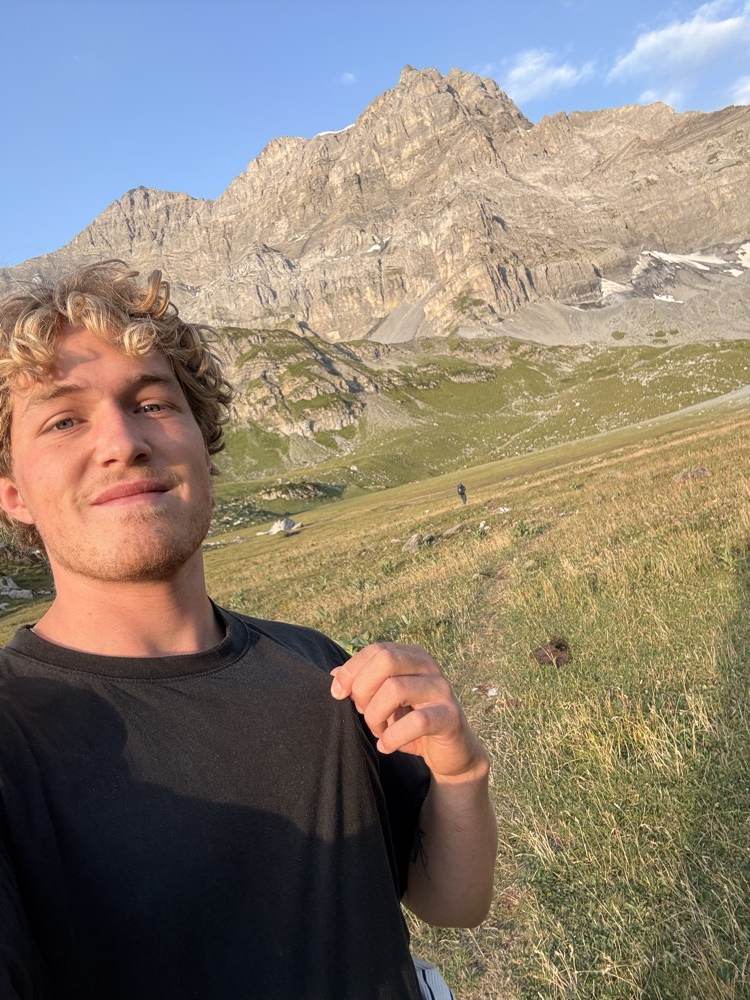 Niek in the hemp lyocell teeWhat the blend actually looks like on a person, at altitude.
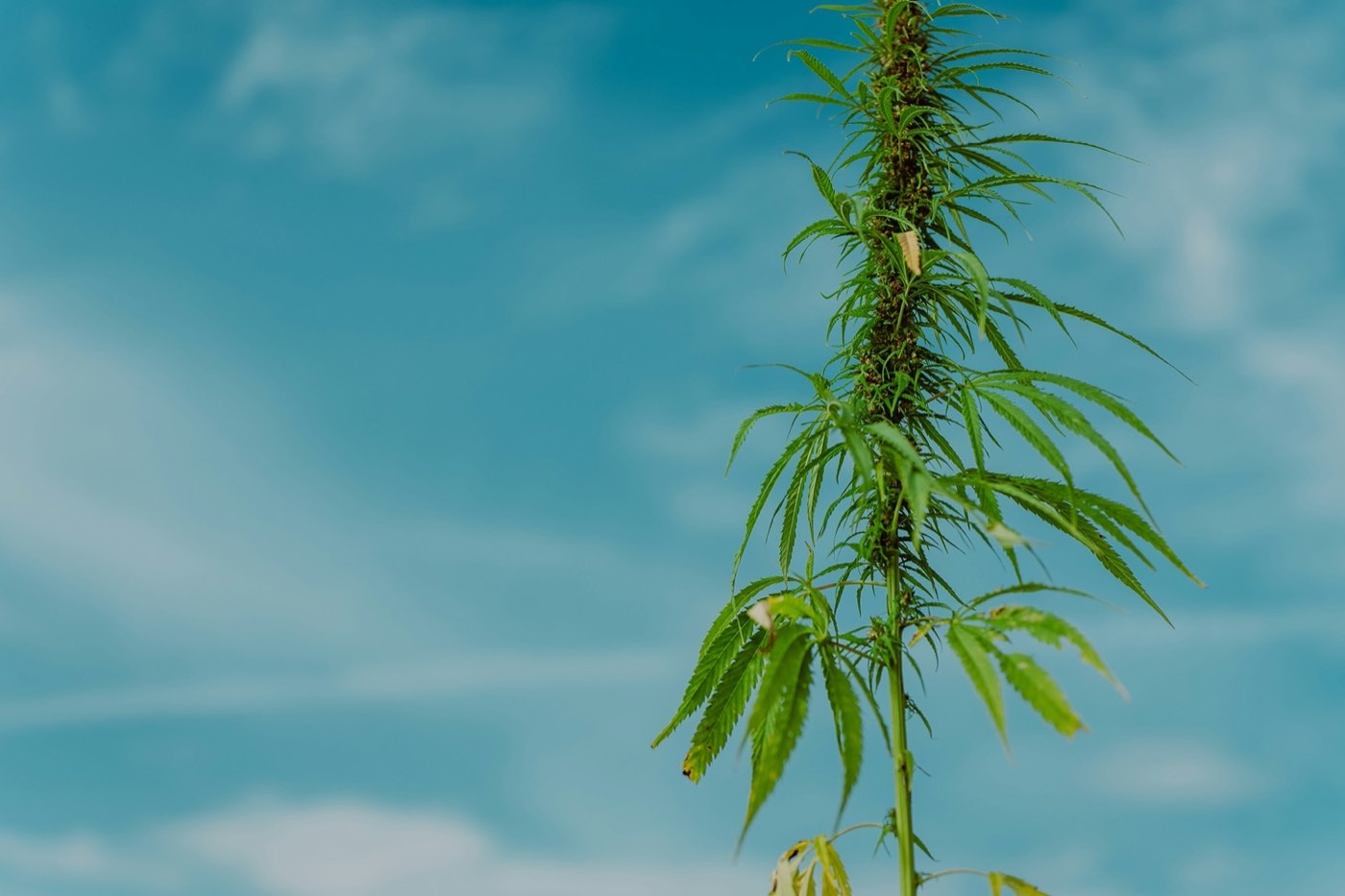 All resources on hemptex.earthEverything we have published on fibre, weaving and what we can prove.
Tell us what you need.
Product, quantity, colours, deadline. We reply within a working day.
Got it. Thanks!
We're on it. A reply within a working day.
Create your account
Trade prices, volume pricing to 1000 pieces, and your own logo from 50. We check the VAT number and open the account within a working day.
Welcome, .
Trade prices are on. Check your inbox to set a password.
Let's grow something together! 🌿
Pick a moment, leave your details, and the invite lands in your inbox.